

Mount Meru is a dormant stratovolcano located within Arusha National Park in northern Tanzania. Rising to 4,566 m (14,980 ft), it is the country’s second-highest mountain after Mount Kilimanjaro and one of Africa’s most dramatic volcanic peaks. Its fertile slopes, diverse ecosystems, and panoramic summit views make it a premier trekking and wildlife destination.
Key facts
-
Elevation: 4,566 m (14,980 ft)
-
Type: Dormant stratovolcano
-
Last eruption: Circa 1910
-
Location: Arusha Region, Tanzania (≈ 70 km west of Kilimanjaro)
-
Highest point: Socialist Peak
Geological and geographic profile
Formed about 500,000 years ago, Mount Meru’s eastern flank collapsed roughly 8,000 years ago, creating a vast horseshoe-shaped crater 3.5 km wide. A smaller volcanic cone—the Ash Cone—later developed within this caldera. The mountain remains geothermally active, with minor fumaroles and steam vents near the crater floor. It dominates the skyline above the city of Arusha and contributes significantly to regional watersheds and biodiversity.
Flora and fauna
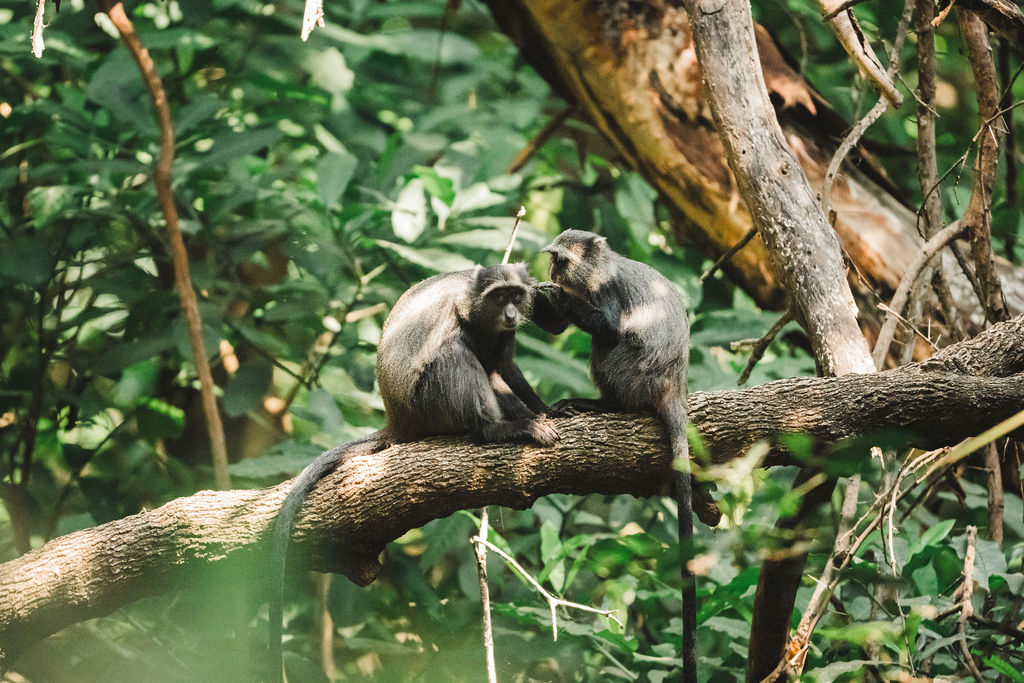
Meru’s slopes transition through five vegetation zones – from acacia savanna and montane forest to alpine desert. The mountain shelters over 50 mammal species and 400 bird species, including giraffes, buffalo, blue and colobus monkeys, turacos, and raptors. Its forests act as an essential water catchment for the Arusha Region.
Climbing and trekking
The standard ascent follows the Momella Route, beginning at Momella Gate (1,500 m) and reaching the summit in 3–4 days via the Miriakamba and Saddle Huts. The route is ranger-escorted under the supervision of the Tanzania National Parks Authority (TANAPA). The climb is considered moderately challenging, serving both as a rewarding independent trek and as acclimatization for Kilimanjaro.
Cultural and ecological importance
Mount Meru holds spiritual significance for local Meru and Chagga communities, who regard it as a sacred source of rainfall and ancestral presence. Ecologically, its forests sustain Arusha’s water supply and provide a refuge for East African flora and fauna. As part of Arusha National Park, it remains a model of high-altitude conservation and sustainable tourism.


