
Katavi National Park is a vast and remote protected area in western Tanzania, celebrated for its pristine wilderness and dramatic dry-season wildlife spectacles. Spanning about 4,471 km², it is Tanzania’s third-largest national park and one of the least visited, offering solitude and an authentic safari experience far from the country’s main tourist circuits.
Key facts
-
Location: Western Tanzania, east of Lake Tanganyika
-
Area: 4,471 km² (1,726 sq mi)
-
Established: 1974
-
Management: Tanzania National Parks Authority
-
Best time to visit: June – October (dry season)
Landscape and ecology
The park lies within the Rukwa Rift Basin, bordered by the Lyamba lya Mfipa and Mlele escarpments. Its scenery shifts from acacia- and miombo-wooded ridges to expansive floodplains and seasonal lakes – Katavi and Chada – fed by the Katuma River. These habitats sustain an exceptional diversity of life that peaks when receding waters force animals to congregate on the plains.
Wildlife
Katavi is famed for immense herds of Cape buffalo and elephants—sometimes numbering in the thousands – and for hosting Tanzania’s densest hippo and crocodile populations. Predators such as lions, leopards, cheetahs, hyenas, and occasional wild dogs thrive on this abundance. Over 400 bird species, from African fish eagles to saddle-billed storks, enrich its wetlands, especially during the rains.
Visitor experience
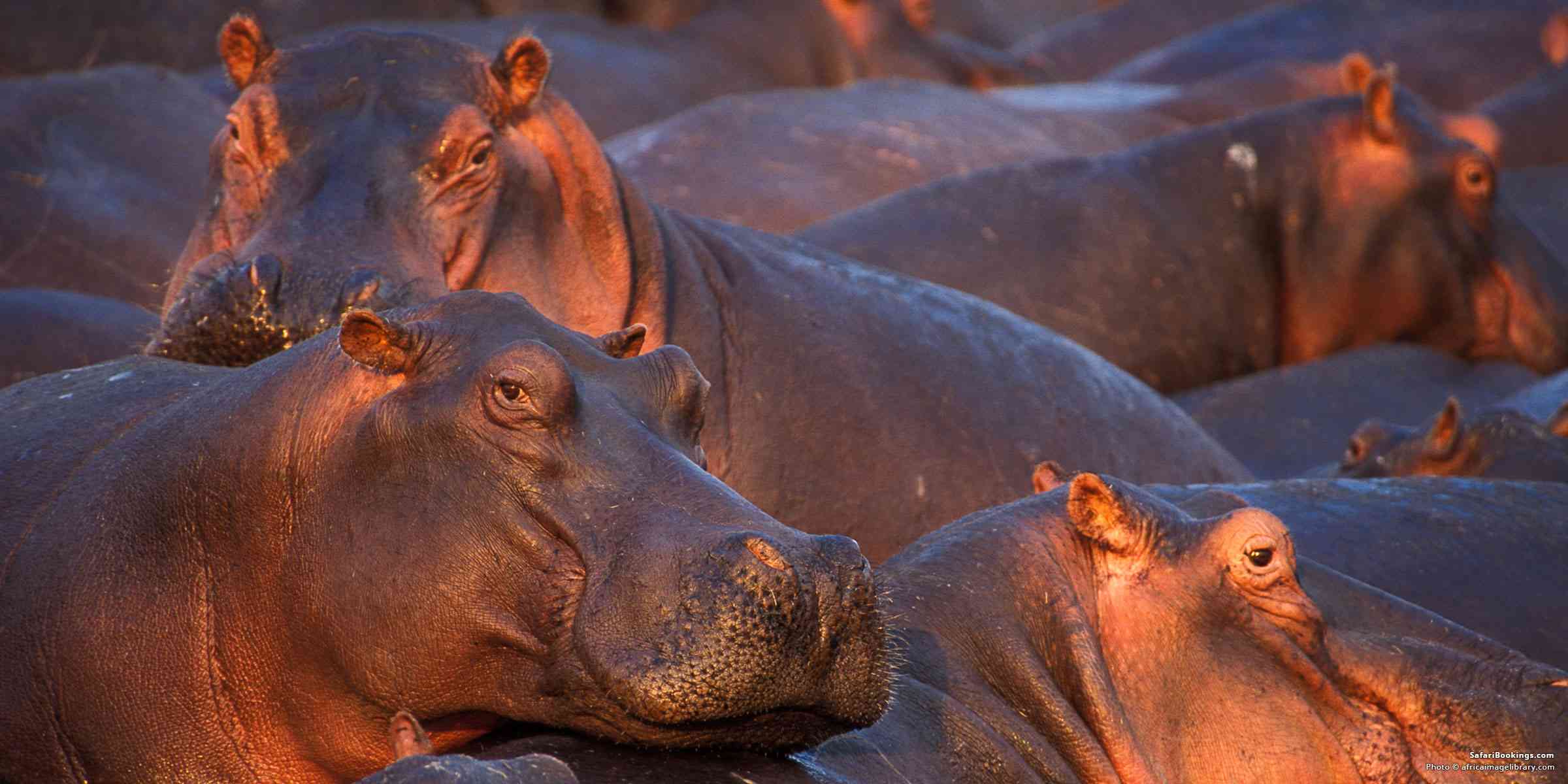
Low visitor numbers—often under 1,000 per year—ensure exceptional privacy. Activities include game drives along the Katuma River, guided walking safaris, birdwatching, and limited night or fly-camping excursions. The park’s signature sight is the dry-season “hippo pools,” where hundreds of hippos jostle for space while giant Nile crocodiles lounge in nearby caves.
Culture and heritage
Katavi’s name honors Katabi, a legendary hunter-spirit believed to inhabit a sacred tamarind tree near Lake Katavi. Local Pimbwe and Bende communities still leave offerings there seeking blessings—a cultural landmark linking ecology with spiritual tradition.
Access and accommodation
Reached mainly by charter flight to the Ikuu airstrip (about four hours from Dar es Salaam or Arusha) or by demanding multi-day drives from Mbeya or Kigoma, Katavi rewards the effort with unmatched isolation. Accommodation options include luxury tented lodges such as Chada Katavi and Mbali Mbali Katavi Lodge, small rest houses at Sitalike, and basic public campsites.

Conservation significance
Administered by TANAPA, Katavi safeguards vital elephant and buffalo corridors, rare roan and sable antelope populations, and intact floodplain ecosystems that remain largely untouched by mass tourism – making it one of East Africa’s last true wilderness frontiers.


