

Nyerere National Park is Tanzania’s largest national park and one of the largest protected wilderness areas in Africa. Created in 2019 from the northern portion of the former Selous Game Reserve, it spans over 30,000 square kilometers of diverse ecosystems centered on the Rufiji River. The park honors Julius Nyerere, Tanzania’s first president and a noted conservation advocate.
Key facts
-
Location: Southeastern Tanzania, about 230 km from Dar es Salaam
-
Area: ~30,893 km²
-
Established: 2019 (from Selous Game Reserve)
-
UNESCO status: Part of Selous Game Reserve World Heritage Site
-
Managed by: Tanzania National Parks Authority (TANAPA)
Landscape and Ecology
Nyerere National Park encompasses savannas, miombo woodlands, riverine forests, and seasonal swamps. The vast Rufiji River—the largest in Tanzania—creates a complex network of channels, oxbow lakes, and wetlands that sustain abundant wildlife. This mosaic supports intact predator–prey dynamics and remains largely undisturbed compared to the northern safari circuit.
Wildlife
The park shelters exceptional biodiversity, including the “Big Five” (lion, leopard, elephant, buffalo, and black rhino) and one of Africa’s largest remaining populations of endangered African wild dogs. Other residents include cheetahs, giraffes, wildebeest, sable and kudu antelopes, crocodiles, and hippos. More than 440 bird species have been recorded, from African skimmers and fish eagles to Pel’s fishing owls and colorful bee-eaters.
Activities and Access
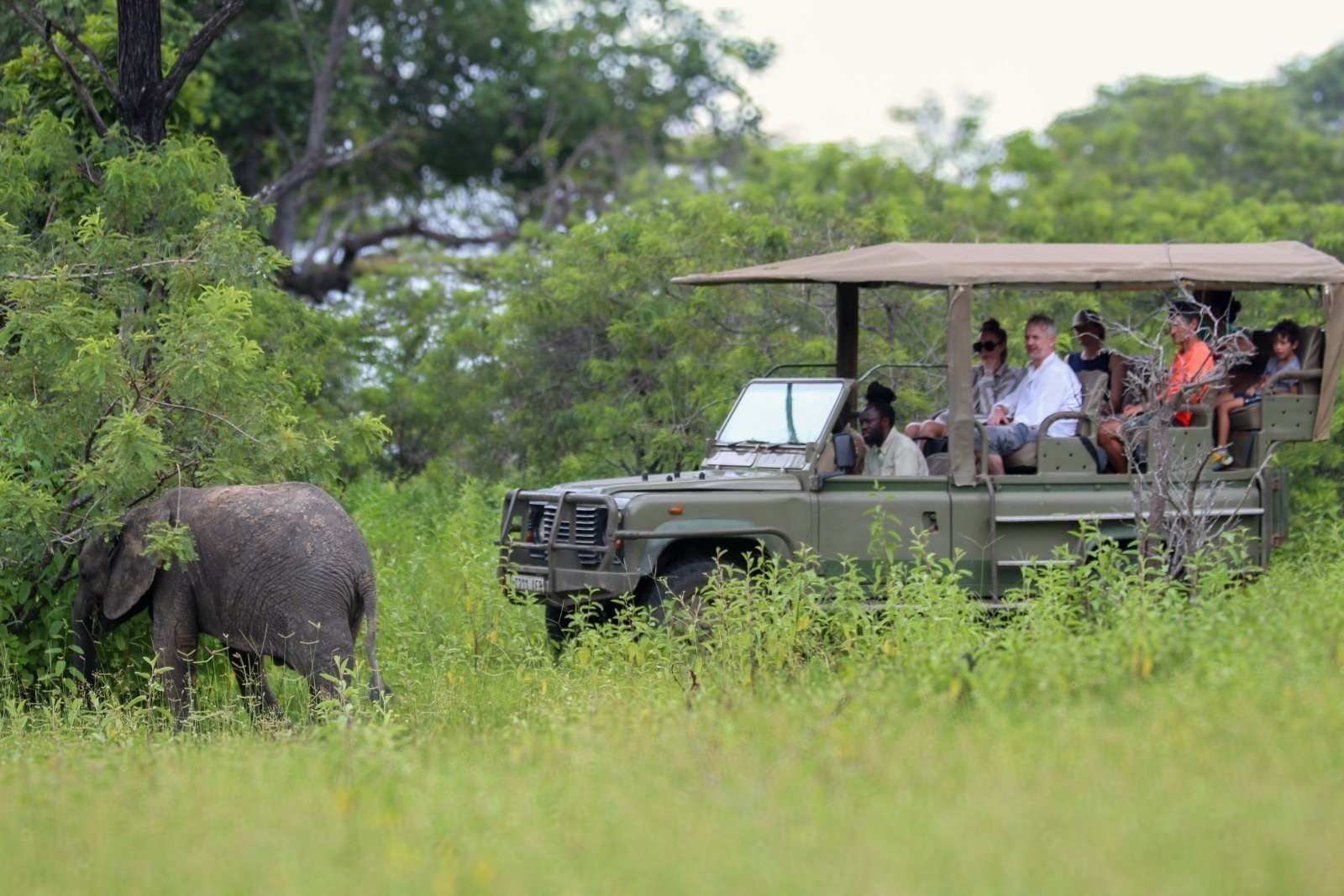
Visitors can explore by game drive, boat safari along the Rufiji, or walking safari with armed rangers. Fly-camping, hot-air-ballooning, and cultural visits to nearby villages offer additional perspectives. The park is reachable via 45- to 60-minute flights from Dar es Salaam or Zanzibar, or a 5- to 7-hour drive by road.
Best time to visit
The dry season (June–October) offers optimal wildlife viewing as animals gather around shrinking water sources. The green season (November–May) brings lush scenery, migratory birds, and fewer visitors, though some routes may be impassable in peak rains.
Conservation significance
As a continuation of the Selous ecosystem, Nyerere National Park plays a crucial role in preserving one of Africa’s last great wildernesses. Its low visitor density and integrated protection under TANAPA make it a cornerstone of southern Tanzania’s sustainable tourism and biodiversity conservation.


